Optimal Timing for Tree Removals
Tree removals are most effective when performed during specific times of the year to minimize impact and ensure safety. Timing depends on factors such as tree species, local climate, and the purpose of removal. Understanding the optimal periods can help in planning and executing tree removal projects efficiently.
Winter is often considered the best time for tree removals because trees are dormant, reducing stress and damage. The absence of leaves allows for better visibility and easier access.
Spring and summer removals can be challenging due to active growth and foliage. However, if removal is urgent or necessary for safety, it can still be performed with proper precautions.
Fall offers a balance between dormancy and manageable weather conditions, making it a suitable time for certain types of removals, especially before winter sets in.
Weather plays a crucial role; dry, calm days are ideal for tree removal, while storms or high winds increase risks and should be avoided.
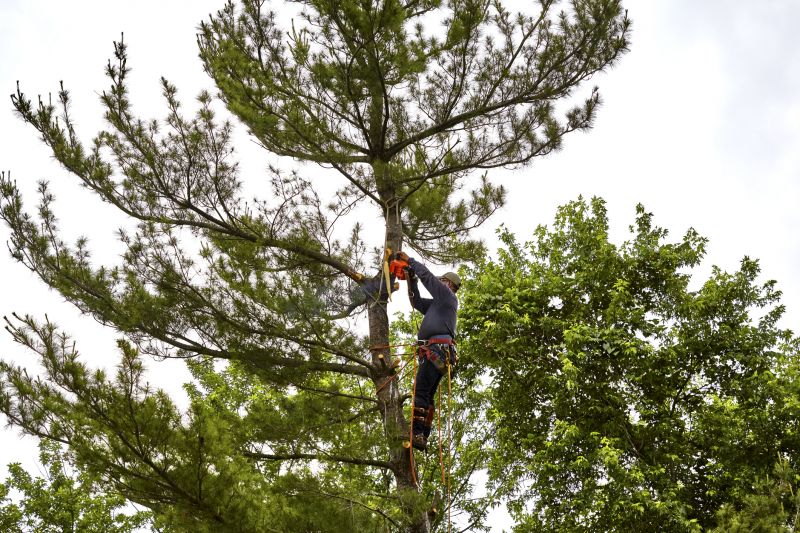
Trees are dormant, making winter ideal for safe and efficient removal.
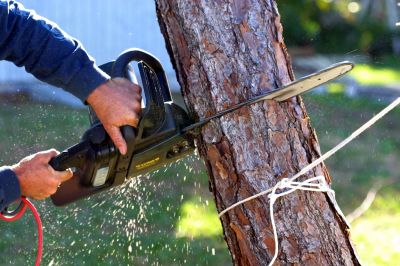
Active growth period, requiring careful planning for removals.
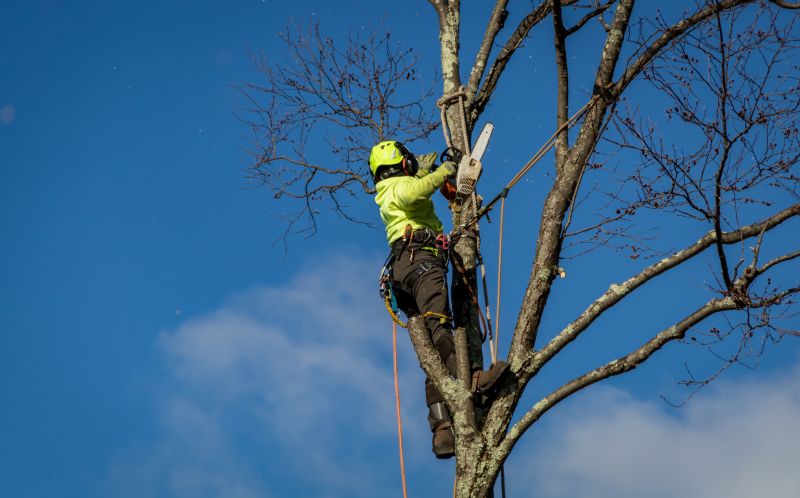
Optimal for certain removals before winter dormancy begins.
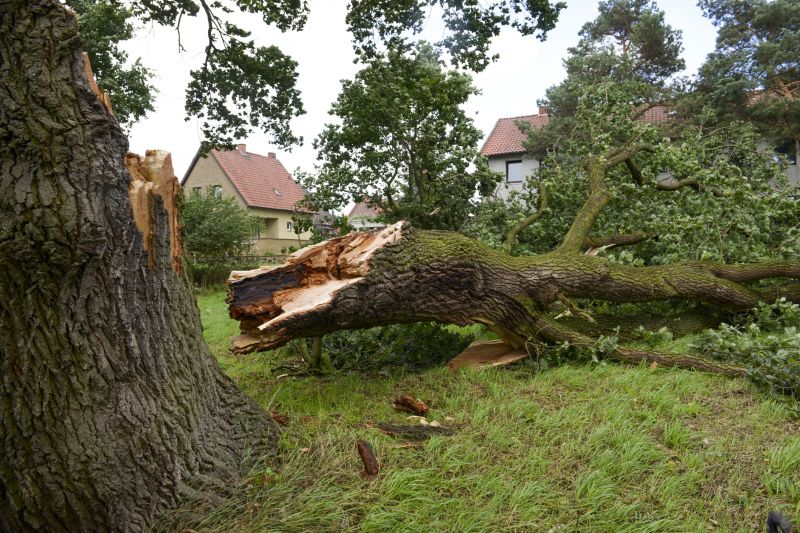
Removals due to storm damage can happen anytime but are best scheduled during calm weather.
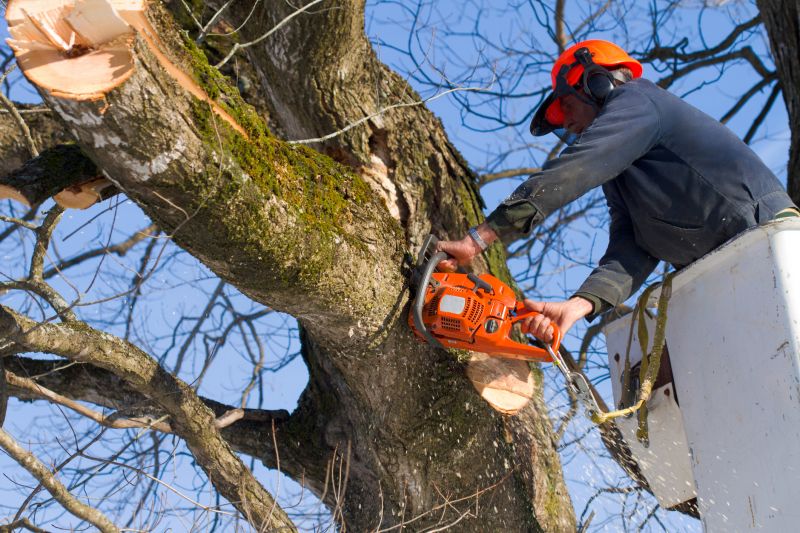
Best in winter when leaves are gone for clear access.
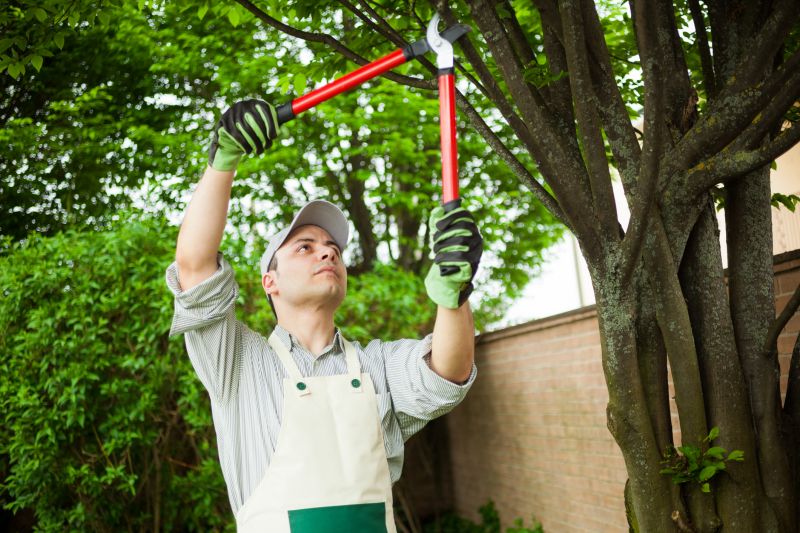
Can be performed in late fall or early spring.
| Season | Optimal Timing |
|---|---|
| Winter | Best for deciduous trees during dormancy |
| Spring | Less ideal but possible for urgent removals |
| Summer | Challenging due to active growth, but feasible with precautions |
| Fall | Suitable for some removals before winter |
| Storm Response | Performed during calm weather for safety |
Tree removals require careful timing to ensure safety, minimize damage, and promote healthy landscape management. Proper planning based on seasonal conditions can reduce risks associated with storm damage, disease, or safety hazards. Statistically, winter removals tend to have fewer complications, with fewer interruptions caused by foliage or active growth. Additionally, scheduling during dormancy reduces stress on remaining trees and surrounding vegetation.
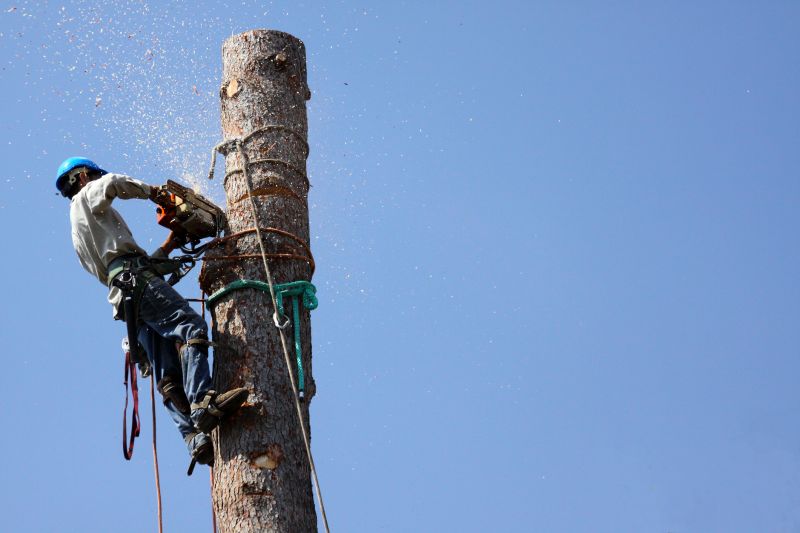
Specialized tools are used during optimal seasons for safety and efficiency.
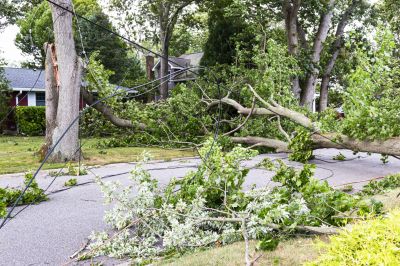
Timely removal prevents further hazards after storms.
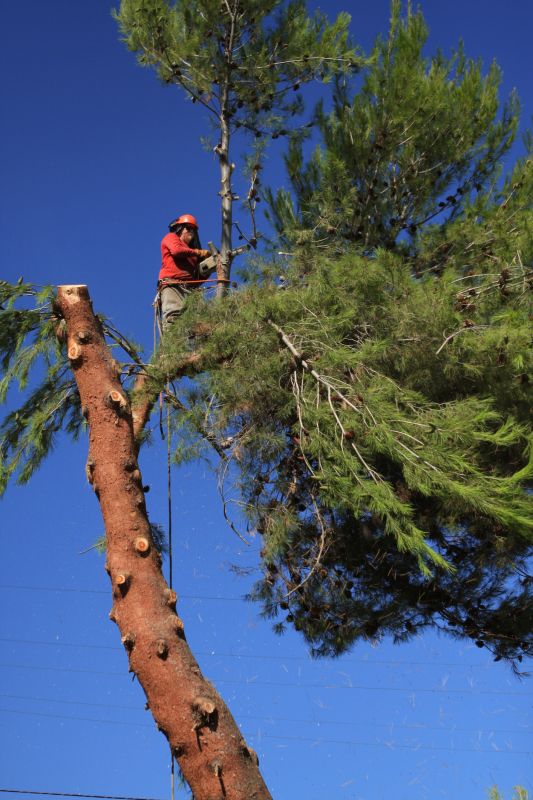
Dormant trees are easier to access and remove safely.
Interested in scheduling a tree removal? Filling out the contact form can provide more information about the best timing for specific trees and landscape needs. Proper timing ensures safety, efficiency, and optimal results for property management.